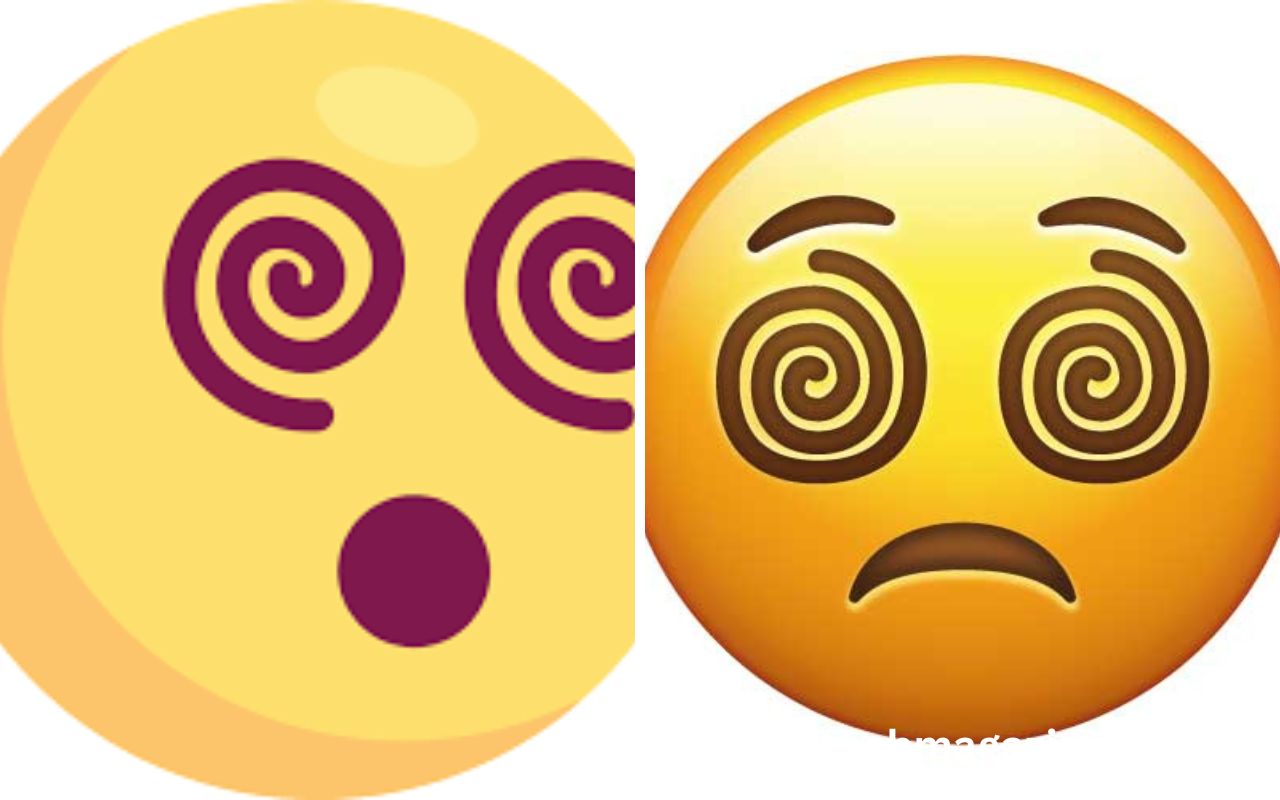
The Dizzy Emoji (💫) is one of the most versatile and visually recognizable symbols in modern digital communication. At first glance, it appears as a collection of stars circling around in a spiral or swirling motion. While its original meaning was connected to dizziness, disorientation, and the sensation of “seeing stars,” its usage has expanded dramatically over the years. Today, the emoji is used in social media posts, text messages, online conversations, gaming communities, and digital marketing campaigns to express a wide range of emotions and reactions.
The growing popularity of emojis has transformed the way people communicate online. Instead of relying solely on words, users can now add emotional depth, visual context, and personality to their messages through small graphic symbols. Among thousands of available emojis, the Dizzy Emoji has remained consistently popular because of its flexibility and ability to represent multiple feelings simultaneously.
Whether someone is feeling confused, amazed, enchanted, overwhelmed, excited, or emotionally stunned, the Dizzy Emoji provides an effective visual representation of that state. Understanding its meanings and applications can help users communicate more effectively in today’s digital world.
What Does the Dizzy Emoji Mean?
The primary meaning of the Dizzy Emoji is related to dizziness, disorientation, and the experience of seeing stars. The design originates from classic cartoons where characters would have stars spinning around their heads after experiencing a fall, impact, or moment of confusion. This visual effect became universally understood as a symbol of dizziness long before emojis existed.
In modern communication, however, the emoji has evolved beyond its original purpose. Depending on context, the Dizzy Emoji can symbolize excitement, astonishment, admiration, confusion, emotional overload, magical energy, beauty, and even romantic fascination. This evolution demonstrates how internet culture continuously reshapes the meanings of digital symbols.
For example, someone might use the emoji after seeing a stunning photograph, receiving exciting news, experiencing sensory overload, or expressing admiration for another person. The exact meaning depends heavily on the surrounding text and context of the conversation.
The History of the Dizzy Emoji
The concept behind the Dizzy Emoji predates the digital era by many decades. Cartoonists and comic book artists frequently illustrated characters with spinning stars above their heads to indicate dizziness or temporary disorientation. This visual language became deeply embedded in popular culture and was instantly recognizable across different countries and languages.
When the Unicode Consortium expanded its emoji collection, the Dizzy Symbol was officially included in Unicode 6.0 in 2010. Later, it became part of Emoji 1.0 in 2015, ensuring standardized support across smartphones, computers, and online platforms.
The widespread adoption of smartphones significantly contributed to the emoji’s popularity. As messaging applications integrated emoji keyboards, users quickly embraced visual symbols to supplement text-based communication. The Dizzy Emoji stood out because it could convey multiple emotional states without requiring additional explanation.
Over time, social media platforms such as Instagram, TikTok, Facebook, X, Snapchat, and Discord helped broaden its meaning beyond simple dizziness. Younger internet users especially contributed to its reinterpretation as a symbol of wonder, excitement, and aesthetic appreciation.
Unicode and Technical Information
From a technical perspective, the Dizzy Emoji carries the Unicode code point U+1F4AB and is officially named “DIZZY SYMBOL.” It belongs to the Smileys & Emotion category and appears consistently across most major operating systems and digital platforms.
Although slight design variations exist between Apple, Google, Samsung, Microsoft, and other vendors, the core concept remains the same. Most versions depict a collection of stars arranged in a swirling or circular pattern intended to suggest motion and dizziness.
Because the emoji has existed for more than a decade, compatibility issues are rare. Users can generally expect it to display correctly across modern devices, operating systems, social media applications, and messaging services.
The Original Meaning: Physical Dizziness
The earliest and most literal interpretation of the Dizzy Emoji refers to physical dizziness. People often use it to describe feelings of lightheadedness, disorientation, motion sickness, exhaustion, or sensory imbalance.
For example, after riding an intense roller coaster, someone might text, “That ride was crazy 💫.” Similarly, a person experiencing fatigue after a long workday might use the emoji to communicate mental and physical exhaustion.
This traditional meaning remains common because the visual design directly reflects the familiar cartoon representation of dizziness. Even users unfamiliar with emoji culture can usually understand this interpretation immediately.
Dizzy Emoji as a Symbol of Confusion
One of the most widespread modern uses of the Dizzy Emoji involves expressing confusion or information overload. In today’s fast-paced digital environment, people frequently encounter complex news, technical explanations, lengthy instructions, and overwhelming amounts of information.
The swirling stars in the emoji effectively represent a mind struggling to process everything at once. As a result, many users employ the emoji when they feel mentally overwhelmed or unable to understand a situation clearly.
Students often use the emoji when discussing difficult academic subjects. Professionals may use it during complicated projects, while social media users frequently apply it to confusing trends, viral discussions, or controversial topics.
The symbol has become shorthand for the phrase “my brain is spinning.”
Expressing Amazement and Shock
The Dizzy Emoji has also become closely associated with astonishment and amazement. When people encounter something extraordinary, unexpected, or impressive, they often describe themselves as being “blown away” or “seeing stars.”
The emoji visually captures this sensation. It represents a temporary state of emotional shock caused by witnessing something remarkable.
A photographer sharing breathtaking images may receive comments filled with Dizzy Emojis. Musicians, artists, athletes, and content creators frequently see the emoji used by fans who are impressed by their work.
This interpretation has become particularly common among younger generations who use emojis creatively to communicate emotional intensity.
The Connection Between the Dizzy Emoji and Excitement
Excitement is another major emotion associated with the Dizzy Emoji. The swirling stars can symbolize energetic emotions, anticipation, and enthusiasm.
Many social media users include the emoji in posts announcing vacations, promotions, achievements, celebrations, or life milestones. In these situations, the symbol communicates excitement in a visually engaging way.
Unlike some emojis that represent only a single emotion, the Dizzy Emoji combines movement, energy, and emotional intensity. This versatility makes it ideal for expressing feelings that are difficult to capture with words alone.
Its visual dynamism helps messages feel more vibrant and expressive.
Magical and Fantasy Meanings
A fascinating aspect of the Dizzy Emoji’s evolution is its connection to magic and fantasy themes. The swirling stars resemble magical particles, fairy dust, enchanted spells, and supernatural effects commonly depicted in movies, books, and animation.
As fantasy culture became more prominent online, users began incorporating the emoji into content related to magic, manifestation, dreams, spirituality, and creativity.
Many influencers, artists, and lifestyle creators use the Dizzy Emoji alongside phrases that emphasize wonder, imagination, or personal transformation. In these contexts, the emoji symbolizes magical energy rather than physical dizziness.
Its aesthetic appearance makes it particularly appealing for fantasy-inspired content.
Beauty, Fashion, and Aesthetic Usage
The beauty and fashion industries have adopted the Dizzy Emoji as a symbol of glamour, radiance, and visual appeal. Social media creators often use it when showcasing makeup transformations, fashion photography, luxury products, or stylish outfits.
The swirling stars create an impression of sparkle and elegance, making the emoji a natural fit for aesthetic content. It enhances captions by adding a sense of charm and visual excitement.
Influencers frequently pair the emoji with beauty-related hashtags and lifestyle posts. In this context, it communicates admiration, attractiveness, and visual excellence.
The emoji’s association with beauty demonstrates how digital symbols can acquire new meanings through community-driven usage.
Emotional Overwhelm and Intense Feelings
Modern life often involves moments of emotional overload. Whether caused by happiness, stress, excitement, anxiety, or surprise, these experiences can leave individuals feeling mentally overwhelmed.
The Dizzy Emoji has become a popular way to express this state. Rather than indicating negative confusion, it can represent an emotional response so powerful that it becomes difficult to process.
For example, receiving life-changing news, attending a major event, or achieving a personal goal may trigger feelings represented by the emoji. The swirling stars symbolize the sensation of being emotionally swept away.
This nuanced interpretation highlights the flexibility of emoji communication.
Social Media Trends and the Dizzy Emoji
Social media has played a significant role in shaping the modern meaning of the Dizzy Emoji. Platforms such as Instagram, TikTok, Snapchat, Facebook, and X encourage visual communication, making emojis more important than ever.
Content creators use the emoji to attract attention, reinforce emotional messages, and enhance visual storytelling. Because the symbol is eye-catching and expressive, it often appears in captions, comments, and profile descriptions.
Trending content related to transformations, achievements, fashion, beauty, travel, and personal growth frequently includes the Dizzy Emoji. Its adaptability allows it to fit a wide variety of themes and audiences.
As social media culture continues evolving, new interpretations of the emoji are likely to emerge.
Dizzy Emoji Combinations and Their Meanings
Emoji combinations allow users to communicate more specific emotions and ideas. The Dizzy Emoji is often paired with other symbols to create layered meanings.
When combined with sparkles, it emphasizes magic, beauty, and positivity. When paired with heart emojis, it suggests admiration, affection, or romantic fascination. Combined with celebration emojis, it communicates excitement and achievement.
Users also combine the Dizzy Emoji with shocked or amazed facial expressions to intensify reactions. These combinations create richer emotional messages while keeping communication concise.
The ability to form meaningful emoji combinations contributes significantly to the emoji’s ongoing popularity.
Cultural Impact of the Dizzy Emoji
The Dizzy Emoji reflects broader changes in digital communication. As online interactions become increasingly visual, emojis function as a universal language that transcends linguistic barriers.
Researchers studying digital communication have observed that emojis help convey tone, emotion, and intent more effectively than plain text. The Dizzy Emoji is particularly valuable because it communicates multiple emotional states simultaneously.
Its transformation from a simple symbol of dizziness into a representation of excitement, beauty, admiration, and emotional intensity demonstrates how internet culture continuously redefines communication tools.
The emoji’s widespread recognition makes it one of the most influential visual symbols in contemporary online culture.
Why the Dizzy Emoji Remains Popular
The enduring popularity of the Dizzy Emoji can be attributed to its versatility. Few emojis possess such a broad range of interpretations while maintaining a clear visual identity.
Users appreciate its ability to represent confusion, amazement, excitement, magic, beauty, admiration, and emotional overwhelm. This flexibility allows it to remain relevant across different generations, cultures, and online communities.
Its visually engaging design also contributes to its appeal. The swirling stars immediately capture attention and communicate movement, making messages feel more expressive and dynamic.
As digital communication continues evolving, the Dizzy Emoji is likely to remain a staple of online expression.
Conclusion
The Dizzy Emoji (💫) has grown far beyond its original purpose as a symbol of dizziness and disorientation. Through years of internet culture, social media influence, and creative user interpretation, it has become a multifaceted symbol representing amazement, excitement, beauty, magic, admiration, confusion, and emotional intensity.
Its history reflects the broader evolution of emoji communication, where meanings are shaped not only by official definitions but also by the communities that use them. Whether appearing in text messages, social media captions, beauty content, gaming chats, or creative storytelling, the Dizzy Emoji continues to serve as a powerful tool for emotional expression.
As one of the most recognizable and adaptable emojis in the digital world, the Dizzy Emoji remains an essential part of modern online communication and a fascinating example of how visual symbols evolve over time.
you may also read :Early Photographic Philosophy