Frederick Siglar is a name that appears in online filmographies and education-related profiles, but the publicly available information about him is limited and often incomplete. Unlike many public figures with extensive media coverage, Siglar’s profile lies at the intersection of early screen acting and later academic pursuits, which makes understanding his life and career particularly intriguing. People searching for “Frederick Siglar” often want to know who he is, what he is known for, what happened after his acting roles, and where he might be now. This article brings together those strands into a coherent narrative, examining his known acting credits, the cultural context of those performances, his academic engagements, and the broader questions that arise when a life shifts from entertainment into private professional pursuit.
Unlike mainstream celebrity biographies, which often focus on personal life details such as birth dates, family, height, or financial net worth, this article emphasizes what can be responsibly said about Frederick Siglar based on available documented information. The focus is on his contributions to film and television, the significance of his roles, and how his academic interests align with later public records connected to his name.
The Early Public Identity: Acting Career and Screen Credits
Frederick Siglar’s first public association appears in entertainment databases as a credited performer in film and television. His most widely referenced role was in the 2009 comedy‑drama I Can Do Bad All by Myself, written, directed, and produced by Tyler Perry. In that film, Siglar played Byron, one of the children whose presence catalyzes the emotional journey of the adult characters. Though not a lead role, Byron is a crucial part of the narrative, and Siglar’s portrayal contributed to the film’s emotional resonance.
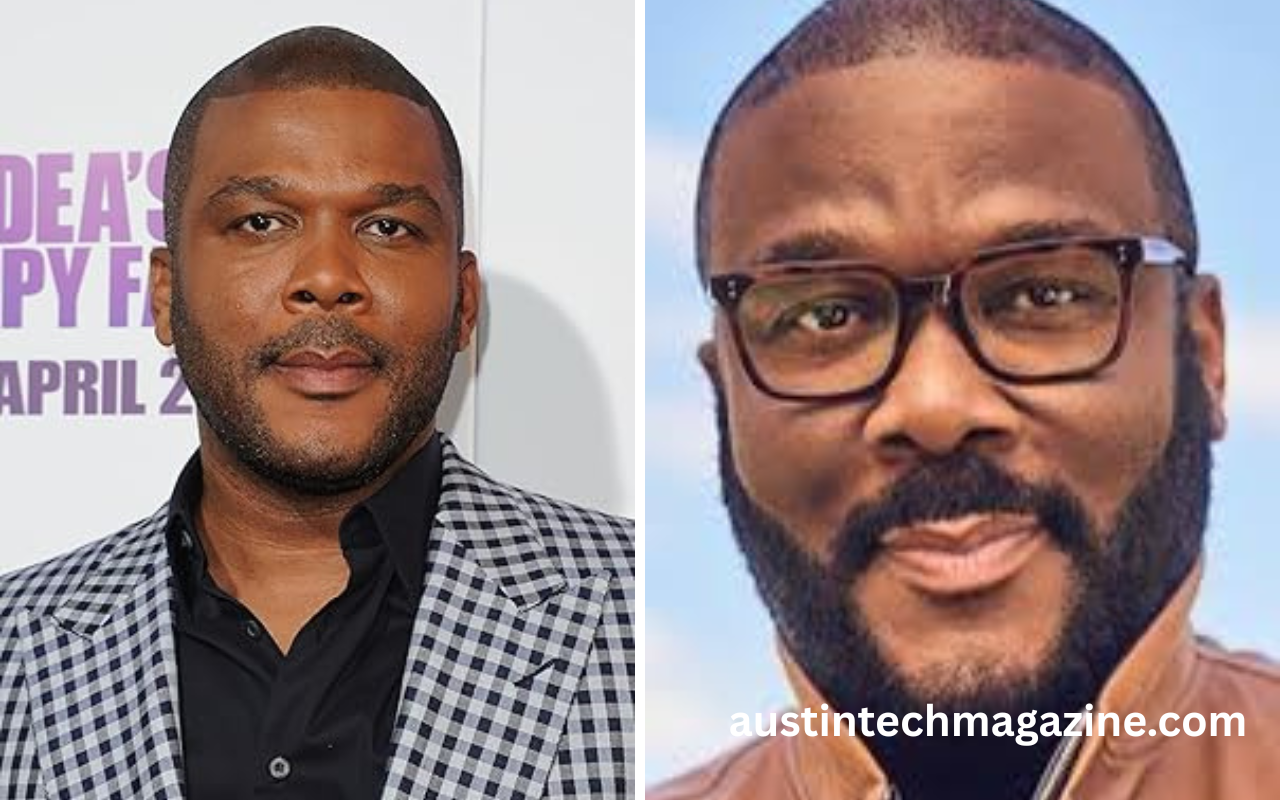
I Can Do Bad All by Myself itself is a story grounded in issues of family responsibility, lost innocence, and personal transformation. The film centers on April (played by Taraji P. Henson), a woman reluctant to take on adult responsibilities, and the three children—Jennifer, Manny, and Byron—who upend her life. Madea, portrayed by Tyler Perry in his iconic matriarchal role, orchestrates the children’s relocation to April’s house, and what follows is a blend of comedy, conflict, and heartfelt drama. Siglar’s role as Byron places him among the children who embody vulnerability, emotional need, and the longing for stability. This role became the primary reason his name is searchable among fans of Tyler Perry’s filmography and people interested in young performers of that era.
In addition to I Can Do Bad All by Myself, Siglar appeared in the project Brother White, where he is credited as Darnell Jones, often under the variation Freddy Siglar. This credit matters because it demonstrates how Siglar’s name may appear differently in various entertainment listings, and those searching for “Freddy Siglar” are often seeking the same person. Brother White is a faith‑centered film that explores family, morality, and interpersonal struggle, and while Siglar’s role is not a central protagonist, it remains part of his on‑screen legacy.
Siglar’s screen work also includes a television appearance on the teen sitcom Bucket & Skinner’s Epic Adventures, where he is listed as “Bully Kid” in a minor role. This appearance highlights the range of his early acting experience, encompassing feature film drama and lighter youth‑oriented television. Though the role was brief and not a long‑term character, it expands his public acting profile beyond a single genre or film.
Collectively, these credits show that Frederick Siglar engaged with multiple facets of the entertainment industry as a young performer: a major studio‑associated comedy‑drama, an independently oriented faith narrative, and a youth sitcom. His acting became part of the public record, creating searchable hubs for anyone interested in his performance history.The Cultural Context of His Best‑Known Role
Siglar’s most recognized part, Byron in I Can Do Bad All by Myself, places him within a cultural context shaped by Tyler Perry’s blockbuster success and influence on early 21st‑century African American cinema. Tyler Perry’s films often emphasize themes of family, resilience, forgiveness, and spiritual grounding, with humor and melodrama woven together. Young characters like Byron are not merely background figures—they represent stakes in the story that adults must confront and reconcile with.
Byron, as characterized in the film, is not a character with extensive dialogue or long scenes. Nonetheless, his presence contributes to the emotional fabric of the narrative. He is part of a trio of children who have already faced loss, instability, and displacement. When April reluctantly agrees to take them in, Byron becomes part of the emotional pressure that moves the plot forward. These portrayals of children in crisis serve a dual purpose: they humanize societal concerns about abandoned or neglected youth, and they challenge adult characters to redefine their priorities.
This role matters because it connects Siglar’s work to a wider conversation about family, social responsibility, and emotional growth. Even in a supporting part, his role helped shape the film’s message, making Byron recognizable among audiences who remember the movie years later.
Why Frederick Siglar Stands Out in Searches
A search term like “Frederick Siglar biography” usually leads to the question of “what happened to the actor after his early roles?” Unlike child actors who continue in Hollywood with extensive credits, interviews, and public visibility, Siglar’s acting career does not have a long list of successive roles. Because of this, public curiosity grows: Was acting his career path? Did he shift into another profession? What is Frederick Siglar doing now? These queries lead to an important distinction: a lack of celebrity visibility does not imply disappearance—it can simply reflect a personal shift or the choice to live life outside the glare of Hollywood press.
The answer to such questions is anchored partly in entertainment credit listings and partly in educational and professional records that appear under the same name. While not common for celebrity profiles, it is essential to consider both the filmography and documented academic engagements when constructing a comprehensive biography of Frederick Siglar.
Beyond Screen Work: Academic and Professional Pursuits
Separate from his film work, public sources connected to the name Frederick Siglar show a narrative of academic and professional depth. In particular, educational profiles link a Frederick Siglar with psychology studies, undergraduate research, and clinical psychology training. These profiles describe a background in psychology, human development, multicultural perspectives, child clinical focus, and research work—an academic arc that differs from continued entertainment engagement.
One such profile associates Siglar with California State University, Monterey Bay (CSUMB), where he is described as a psychology major with a minor in human development. In that role, he engaged in undergraduate research with faculty mentors, focusing on themes such as wellness spaces, multicultural psychology, and child developmental concerns. This profile situates him within academic communities committed to research, scientific inquiry, and applied psychology work.
Other academic records list a Frederick M. Siglar, MA as a doctoral candidate in clinical psychology at Southern Illinois University Carbondale. These records describe a focus on multicultural training, clinical supervision, school discipline practices, and research related to the experiences of Black youth in educational and clinical settings. This suggests a deepening of academic and professional pursuits beyond undergraduate study, including graduate‑level research and clinical engagement.
These academic and professional details do not contradict his entertainment history; instead, they illustrate a second phase of life that many people pursue after early work in performance. For Siglar, this may represent a personal commitment to understanding the human condition not only through the lens of characters on screen, but through research, clinical practice, and psychological theory.
Addressing Common Search Queries
Many of the search terms related to Frederick Siglar revolve around questions of identity, age, net worth, filmography, and current status.
“Frederick Siglar age” and “date of birth” are commonly searched phrases. However, no reliable public source confirms a precise birth date. Responsible reporting avoids assigning an age without verification.
“Frederick Siglar net worth” is another popular query. Estimating net worth for individuals with limited public financial disclosures is inherently speculative. Without direct, verified financial reporting or interviews, assigning a definitive net worth number would be inaccurate.
“Where is Frederick Siglar now?” is perhaps the most frequent question. Based on public information, there is no active Hollywood presence or constant media coverage tied to his name today. Rather, public academic records suggest involvement in psychology research and graduate study.
These searches reflect a larger truth about public curiosity: people want narrative closure. When a public figure steps out of the spotlight, curiosity grows not only about past moments, but also about life after that spotlight. In Siglar’s case, the available information paints a picture of someone whose journey moved from screen performance to private scholarly engagement.
The Importance of Personal Privacy and Respectful Biography
One of the strengths of writing about individuals who are not continuously in the media is the opportunity to respect privacy and avoid unverified speculation. Because there are no public interviews, no consistent social media presence tied definitively to him, and no verified reports of personal life details such as marriage, family life, or personal residence, it would be inappropriate to invent or publish such details.
A responsible article honors the known facts of acting credits, documented academic engagement, and the thematic arc of a life that shifted from early film roles into research and professional development. It avoids attributing unfounded personal narratives based on assumption or Internet rumor.The Broader Life Narrative: From Screen to Scholarship
Frederick Siglar’s public presence today represents a dual identity: a young actor who participated in culturally resonant films, and a scholar whose professional focus lies in the psychological study of human behavior, multicultural development, and clinical practices. While many public profiles focus on performance history, this expanded view gives readers a more comprehensive understanding of his life path.
His acting work connects him with audiences who appreciate Tyler Perry’s films and early 2000s television. His academic work connects him with communities committed to rigorous research and applied psychology. These threads, woven together, show a person whose identity cannot be reduced to a single role or title.
Conclusion: A Multifaceted Public Figure
Frederick Siglar’s biography is not a story of continuous celebrity; it is a narrative of meaningful participation in film, followed by intentional engagement with academic and psychological work. It challenges the assumption that public significance must always mean stardom. Instead, Siglar’s path suggests that meaningful contributions to human understanding—whether through performance or through psychological research—can take many forms.
Rather than chasing unverified personal details, this article has focused on what is verifiable: his acting roles, the nature of the stories he was part of on screen, and the documented academic trajectory linked to his name. The result is a nuanced, respectful, and detailed picture of Frederick Siglar’s public footprint—a life that bridges art and science, performance and inquiry, presence and privacy.
you may also read :The Callens Brand – Fashion, Concept, and Legacy